Ensuring Fire Safety and Reliability in Solar PV Installations
Hits: 1183 minutes read
Ratings
(0)
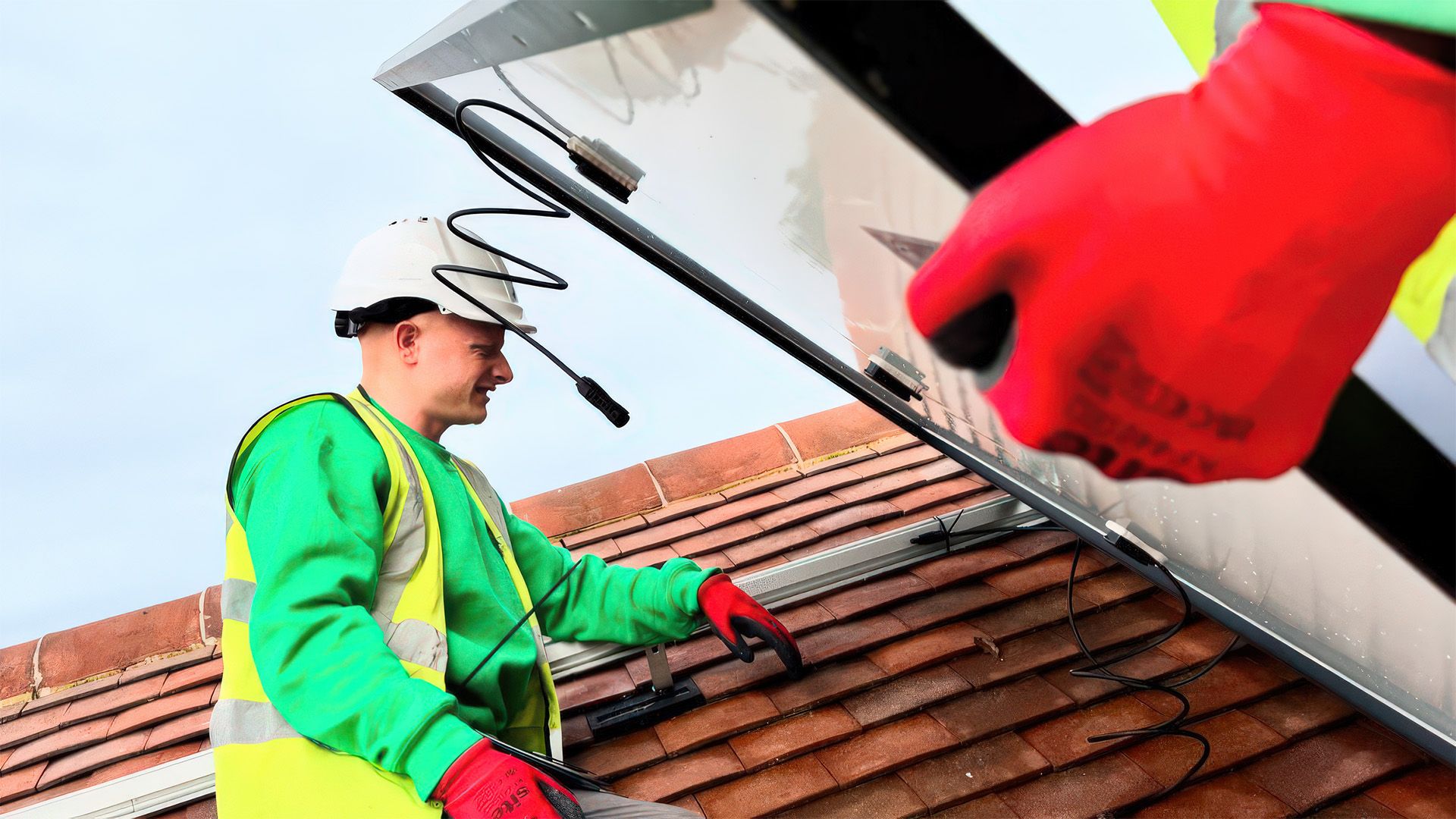
As solar installers, our primary objective is to deliver high-efficiency renewable energy systems while uncompromised structural integrity and life safety remain non-negotiable standards. The RC62 reference document serves as an essential framework for navigating the complex fire safety, structural loading, and electrical risk factors unique to photovoltaic installations. From evaluating additional dead weight on aging roof trusses to mitigating high-voltage DC arcing hazards, applying these principles throughout the design, installation, and post-commissioning phases ensures our projects comply with strict UK building regulations, protect emergency responders, and safeguard our clients' long-term business continuity.
Legislation & Planning: Review the site Fire Risk Assessment and DSEAR (Dangerous Substances and Explosive Atmospheres Regulations) assessments before and after installation, ensuring inverters and ignition sources are fully accounted for. Verify compliance with national building regulations (e.g., Approved Documents A and B).
System Design & Loading: Maintain sufficient panel-free roof space to allow safe firefighter access, roof venting, and maintenance. Structural surveys must verify that dead loads (approx. 15 kg/m² for panels) plus local snow/ice accumulation will not compromise structural integrity. Avoid mounting panels over timber or combustible roof decks, heat expansion joints, or fire compartment walls.
Electrical Safety & Installation: Ensure installations up to 50 kW are completed by MCS-certified contractors. Install DC load-break isolators and prominent "fire service switches" near arrays to make DC wiring voltage-free inside the building during emergencies. DC cables must be routed in metal trays or fire-resistant conduits, avoiding void spaces or agricultural storage areas containing combustible materials.
Fire Service Provisions: Display warning signs (minimum 100 mm × 100 mm) at consumer units indicating PV presence. Ensure emergency information packs at gatehouses detail system layouts, isolator switch locations, and main intake points. Remind operational teams that PV panels generate live DC electricity whenever exposed to light—including artificial floodlights.
Maintenance & Inspection: Conduct annual inspections via qualified electricians. Utilize thermal imaging during servicing to spot localized hot spots across arrays and inverters. Ensure panels are kept clear of leaves, dirt, and bird droppings to prevent performance loss and cell degradation.
Site Security: Implement physical anti-theft controls such as "tighten-and-break" security screws, non-removable serial numbers, or postcoded panel markings. For ground arrays or high-risk sites, utilize perimeter fencing, CCTV, anti-climb measures, or loop-wire disruption alarms.
Implementation & Compliance Checklist
Category
Fire Safety & Quality Check
RC62 Standard Reference
Pre-Installation
Fire Risk Assessment & DSEAR reviewed for ignition sources
Request a free bespoke quotation! Our engineers are ready to turn your vision into reality.
Must be at least 3 characters
Invalid email address
+44(0)
Invalid phone number
Invalid post code
Invalid address
According to our calculations...
The predicted cost for your system...
£9,468
to
£11,572
20
Your roof space can fit 20 solar panels!
5,000
Systems of this size typically generate up to 5,000kWh annually!
💡
Our engineering team is currently preparing your personalized quote, taking into consideration your specific energy needs and property.
✅
To ensure seamless communication, we've sent an email to the address provided, outlining the next steps and what to expect in the meantime.
* All estimates are rough predictions based on the information that you have provided.
Atlantic Renewables
Atlantic Renewables are a solar PV design and installation company, providing affordable solutions in Manchester, Cheshire and throughout the North West.